
Photos Submitted for Appraisal

Click any image to enlarge
AI Appraisal
Collectors with this item
Want to appraise yours? Upload photos for a free appraisal →
Description
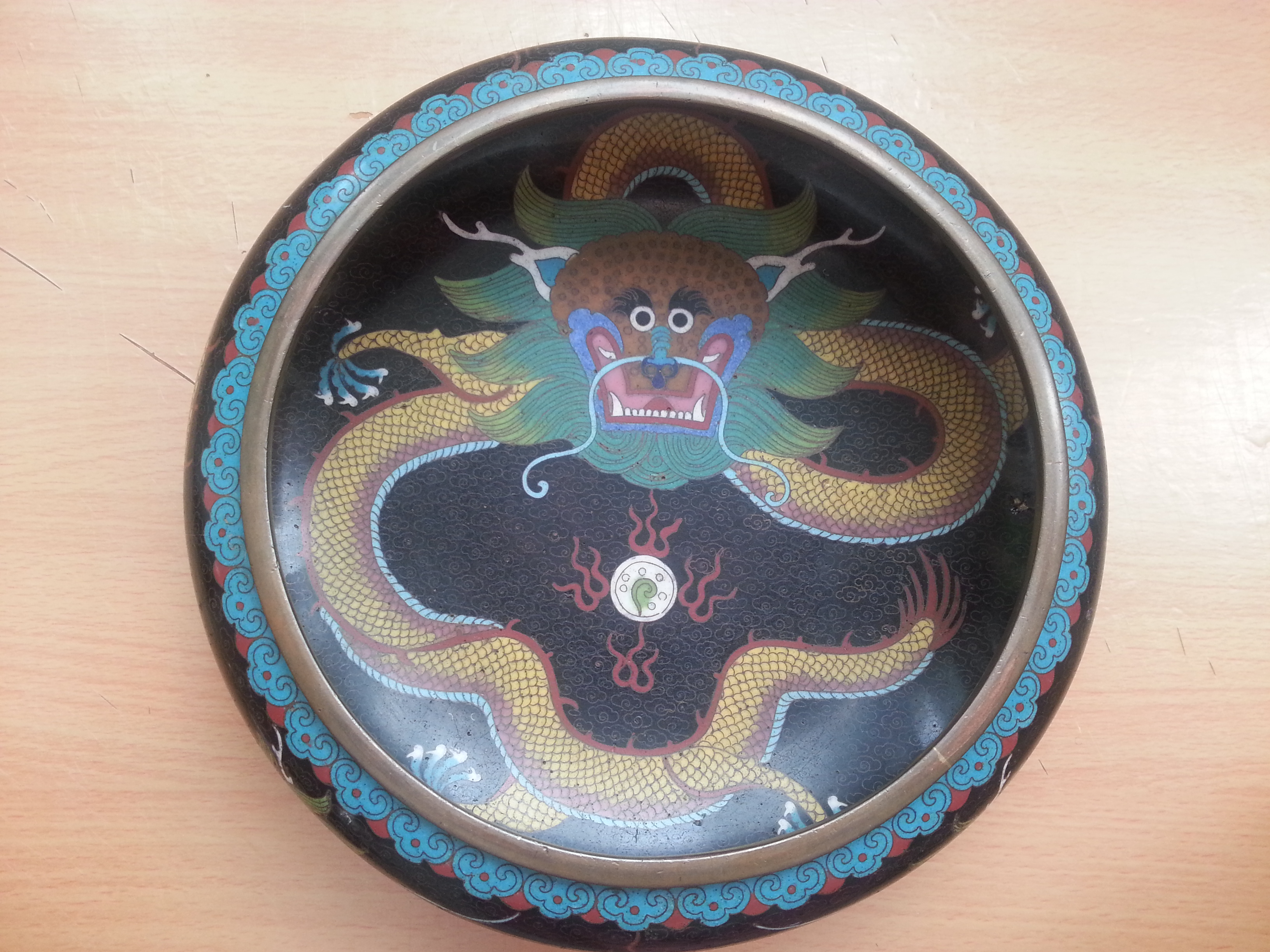
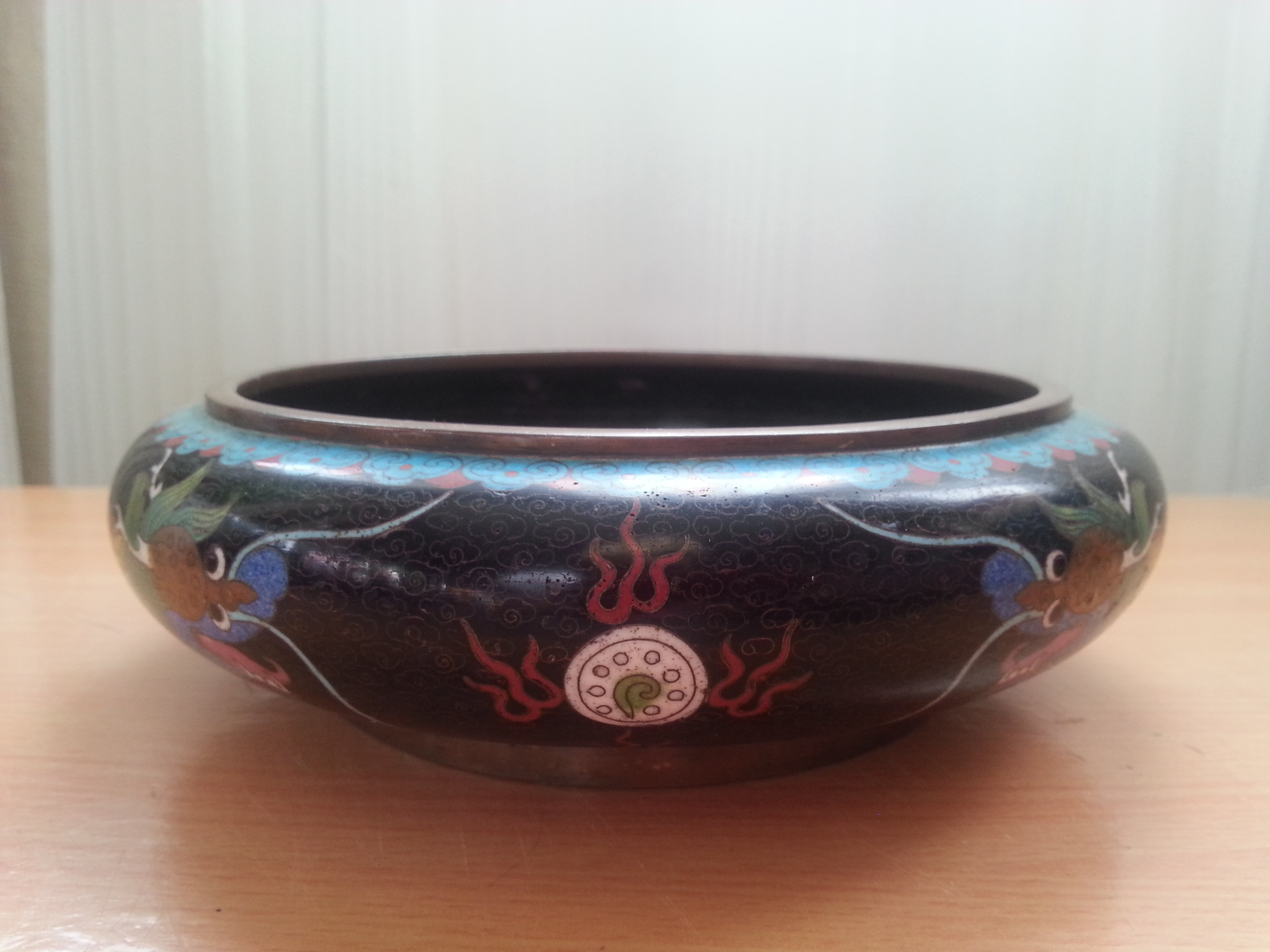
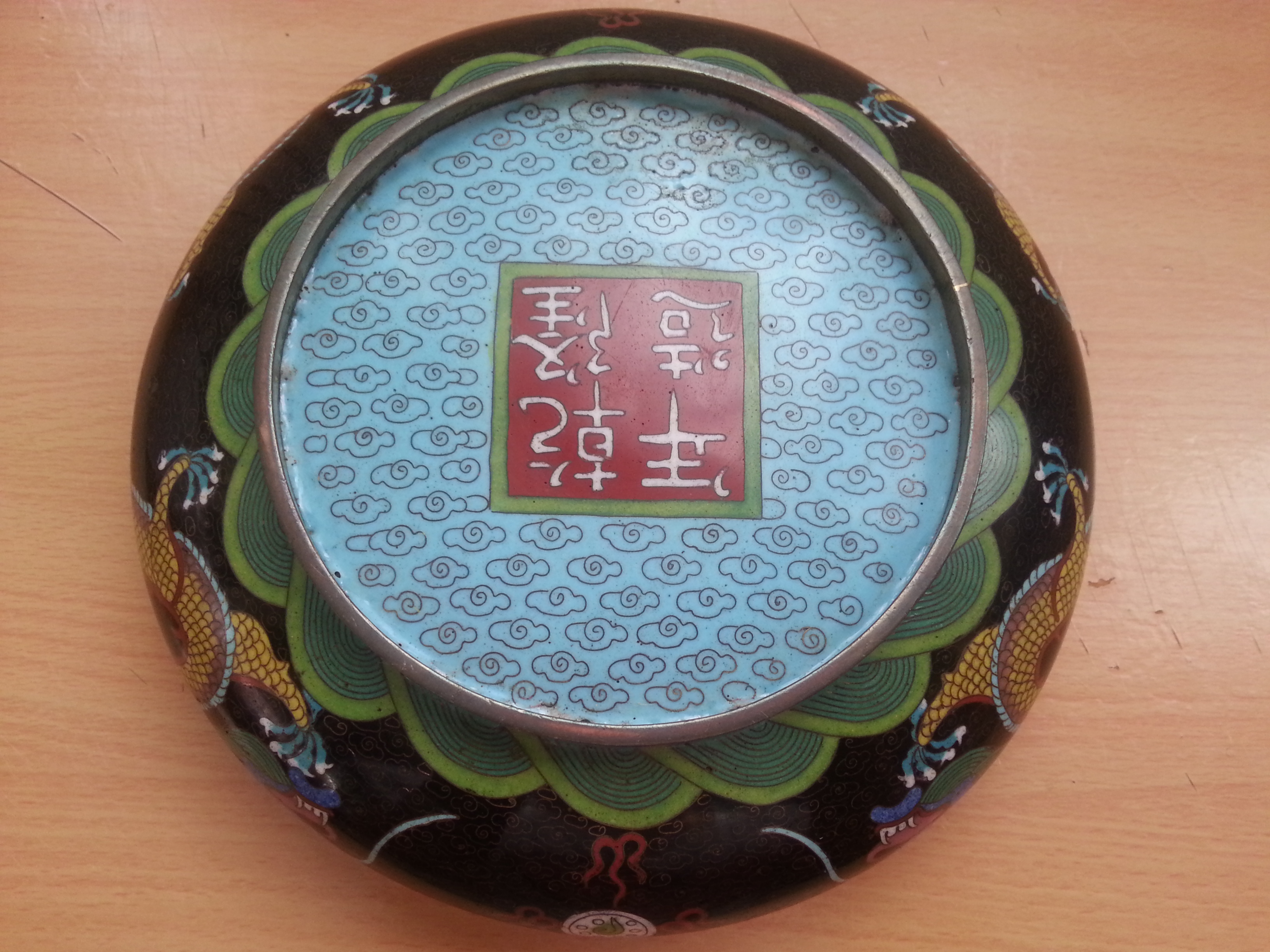
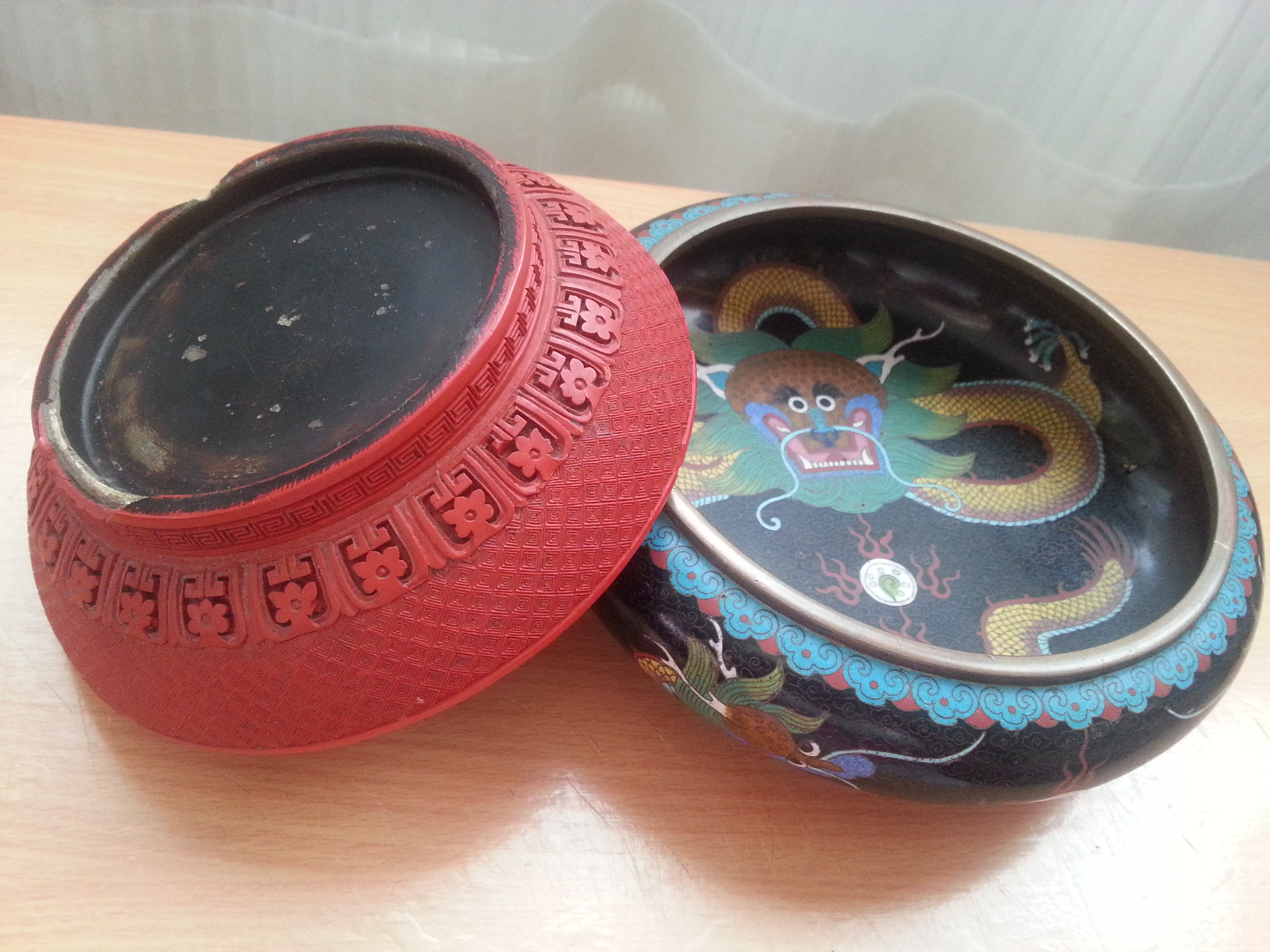
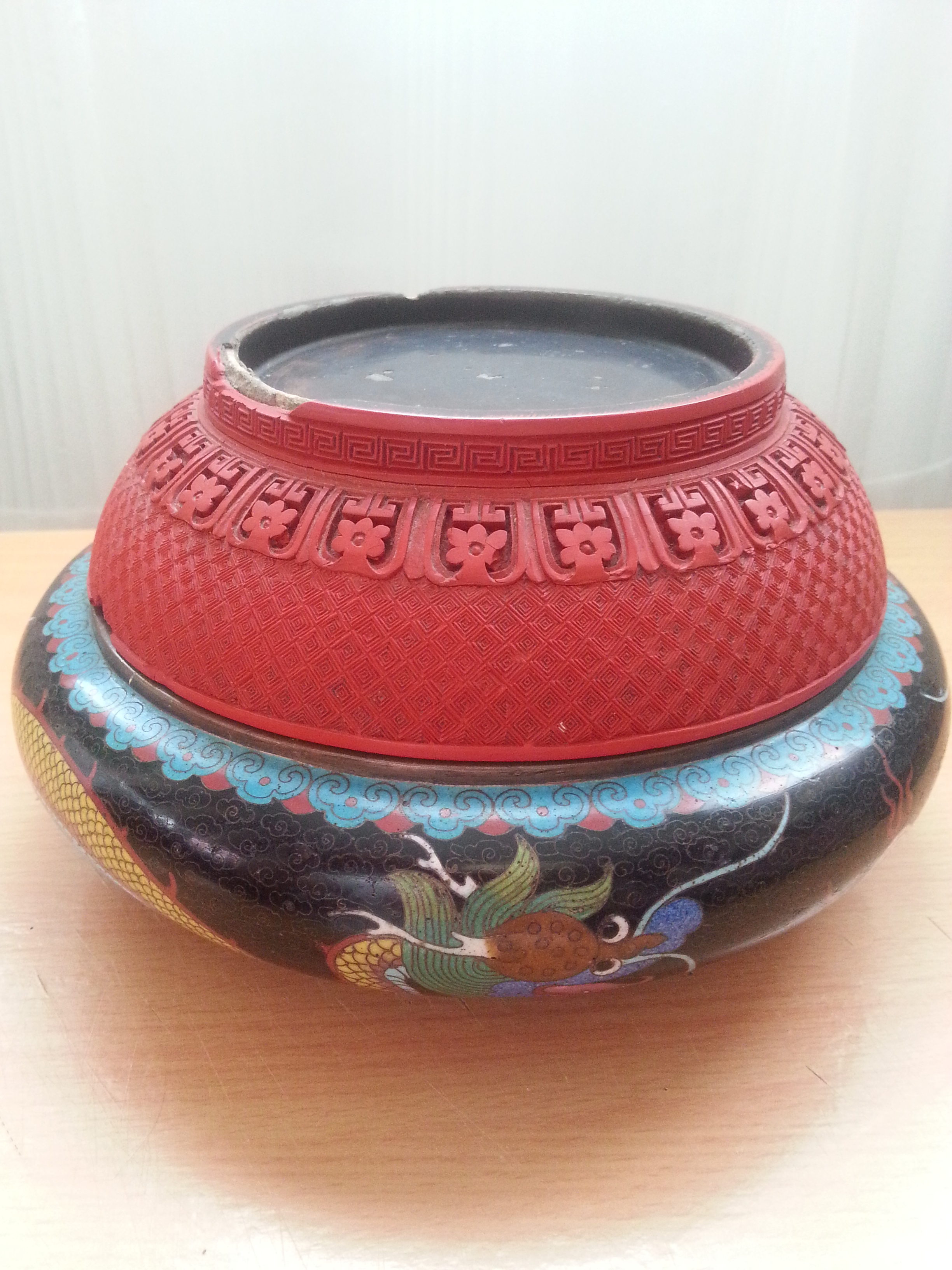
Chinese jewelry box. Would like to know when was it made and how much it can cost now.
Category
China
Medium
It is made of copper, enamel
Condition
Good
History
I know it's Chinese but except of that I know very little about this item
⚠️ You have 1 free appraisal left today
Upgrade for 15-30/day →
Want more from your appraisals?
View Plans →
Upgrade for PDF reports, more daily appraisals, and ad-free experience.
Collector Discussion
Do you recognize this piece? Collectors often identify maker marks, share comparable sales, or suggest additional research steps.
Re: Chinese jewelry box
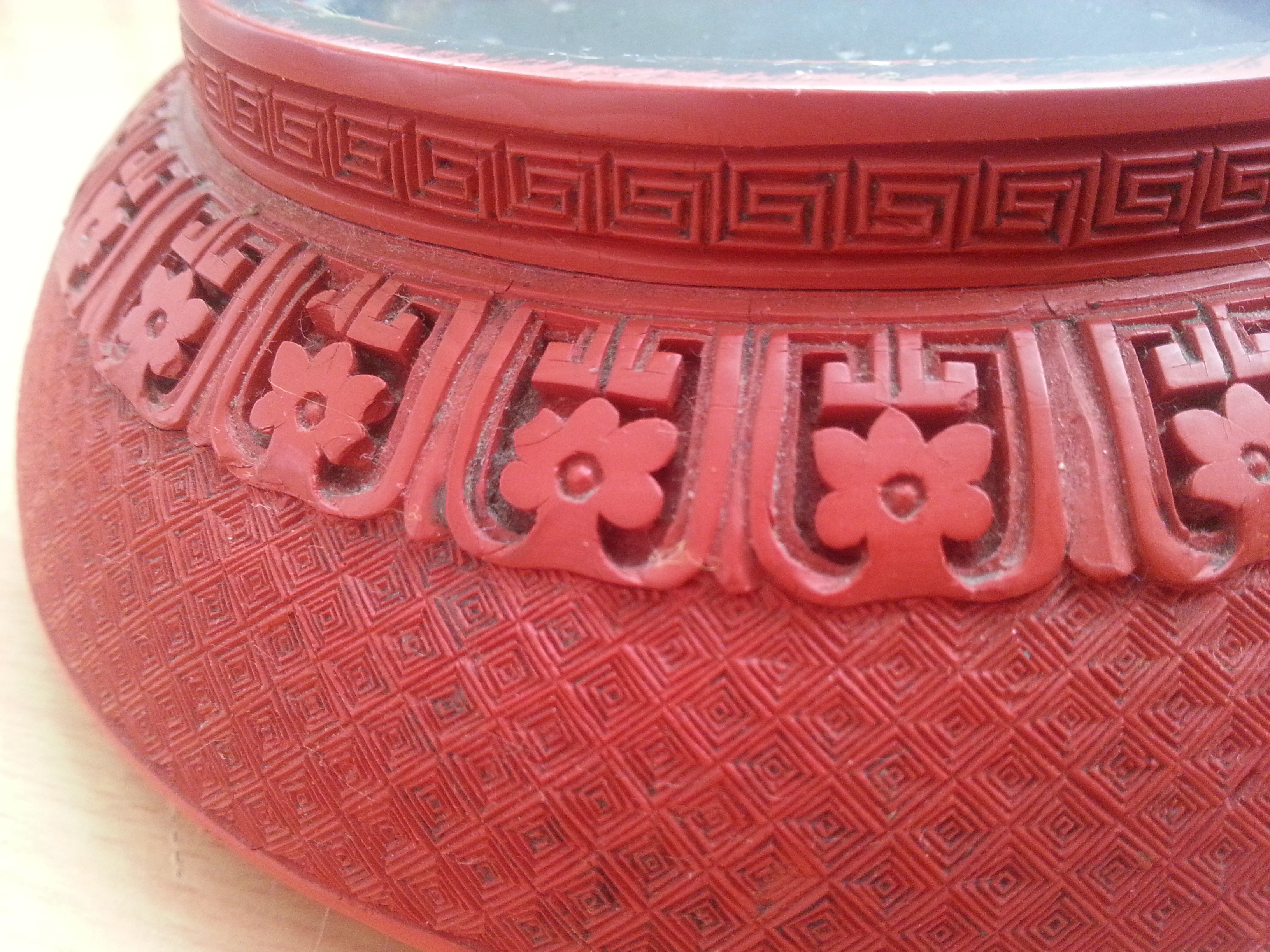
Cloisonné is an ancient technique for decorating metalwork objects, in recent centuries using vitreous enamel, and in older periods also inlays of cut gemstones, glass, and other materials. The resulting objects can also be called cloisonné. The decoration is formed by first adding compartments (cloisons in French[1]) to the metal object by soldering or adhering silver or gold wires or thin strips placed on their edges. These remain visible in the finished piece, separating the different compartments of the enamel or inlays, which are often of several colors. Cloisonné enamel objects are worked on with enamel powder made into a paste, which then needs to be fired in a kiln. Bottom half Chinese cloisonné bowl with dragon Estimate: $200 - $300 Top Half
Carved Chinese Cinnabar Enamel Bowl Jar Box With Wooden Stand
They can sell from $50.00 on up to $150.00 But you don't all the parts....>>??
Sometimes when you look at something and it just something is wrong. I think you have a Merriage of two parts here.. The RED part should have a stand, and maybe a lid.. the top part is a Cloisonne bowl it self..
Chinese jewelry box
It is NOT a Jewelry box.......I Highly suggest you let the Appriasal people here take a look at this. for Value..I'm not an expert . The Chinese Market is very good right now,,, Good luck with this..